
Speak of the Devil: A Pine Barrens Overnighter via Transit
What do a satanic kangaroo and a natural wonder have in common? They're just a train ride away.

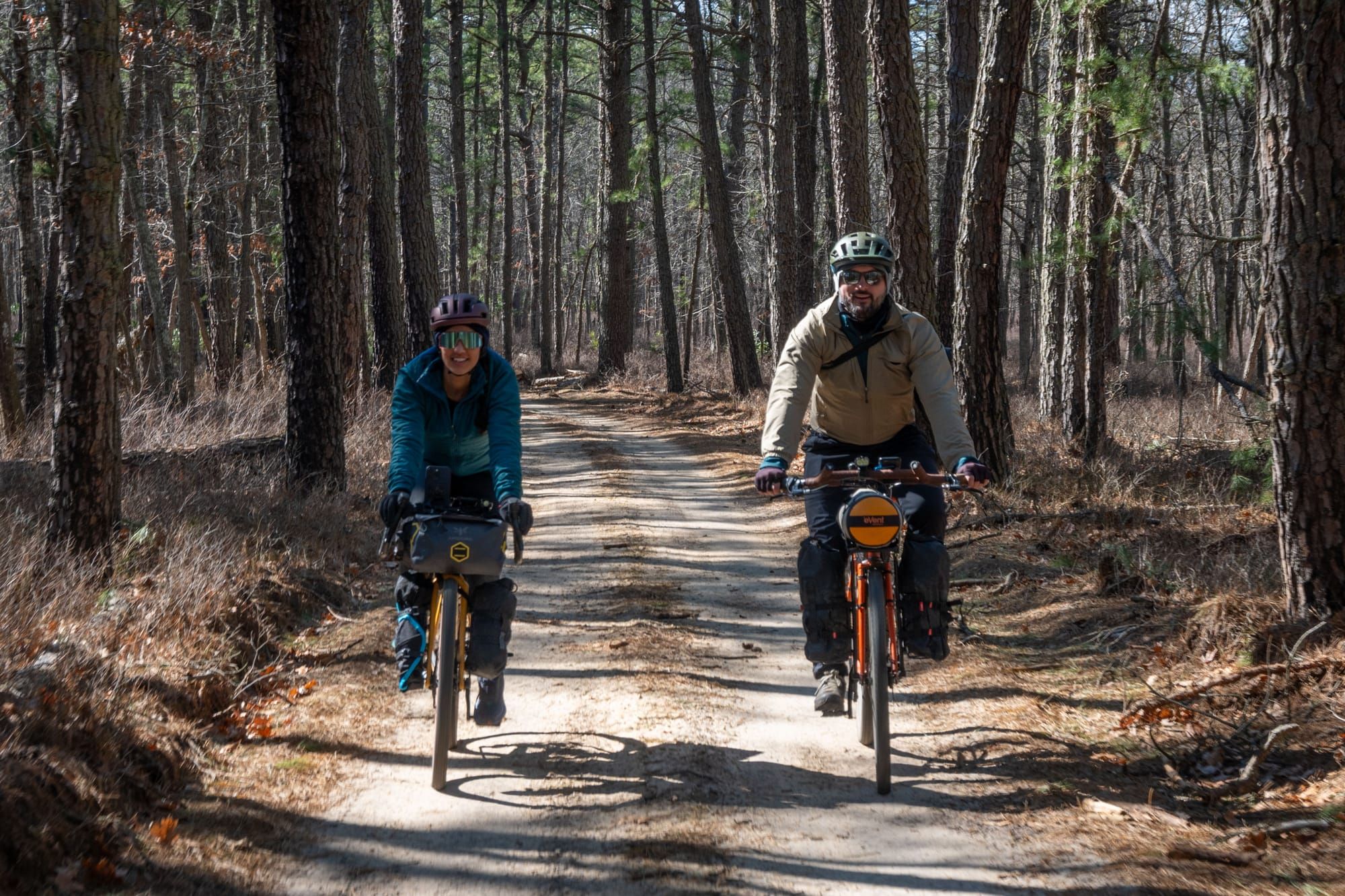
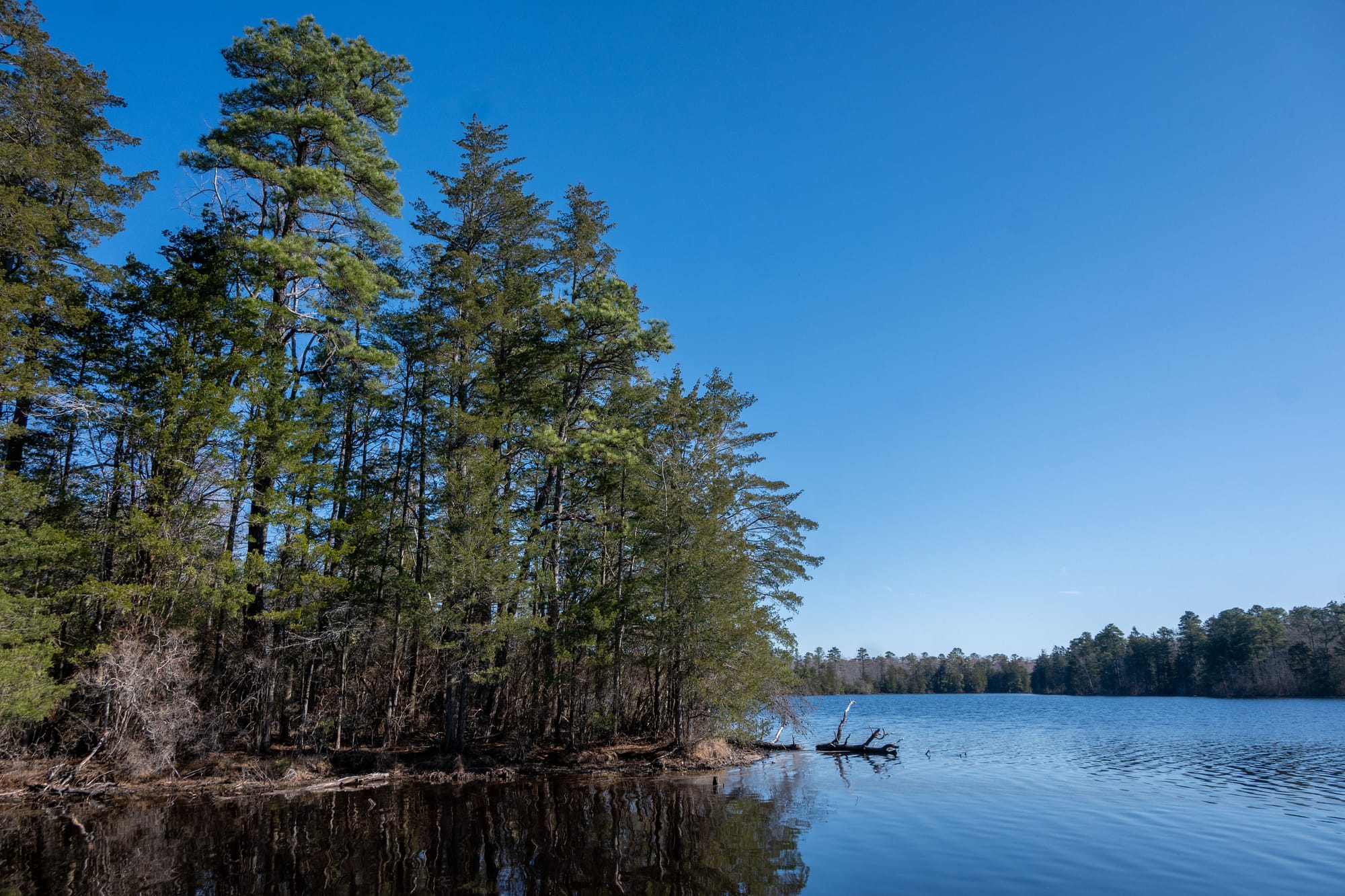
Barely 20 miles from the Walt Whitman Bridge lies one of the country's rarest and most pristine ecosystems. The chaos of blaring car horns yields to the symphony of a frog choir. The concrete jungle is replaced by an expansive forest of pitch pine, cypress swamps, and wetland meadows. The face of the earth is freckled by holly and white oaks with pock marks of whiskey-colored streams, ponds, and reservoirs. New Jersey's Pine Barrens are a Yosemite-sized wildlife sanctuary and repository of American lore.
For hundreds of years, New Jersey's Pine Barrens provided prosperity for those industrious enough to harvest cranberries or refine bog iron into essential supplies for a blossoming nation, including materials that helped drive the Continental Army to victory in the American Revolution. Though situated near the major markets of Philadelphia and New York City, the Pine Barrens' sandy and acidic soil wasn't suitable for farming. Widespread settlements were never established and the pines are dotted with ghost towns today. Despite a defeated 20th century effort to raze the pines and build an international airport, today they are an unusually well-preserved and intact wilderness.
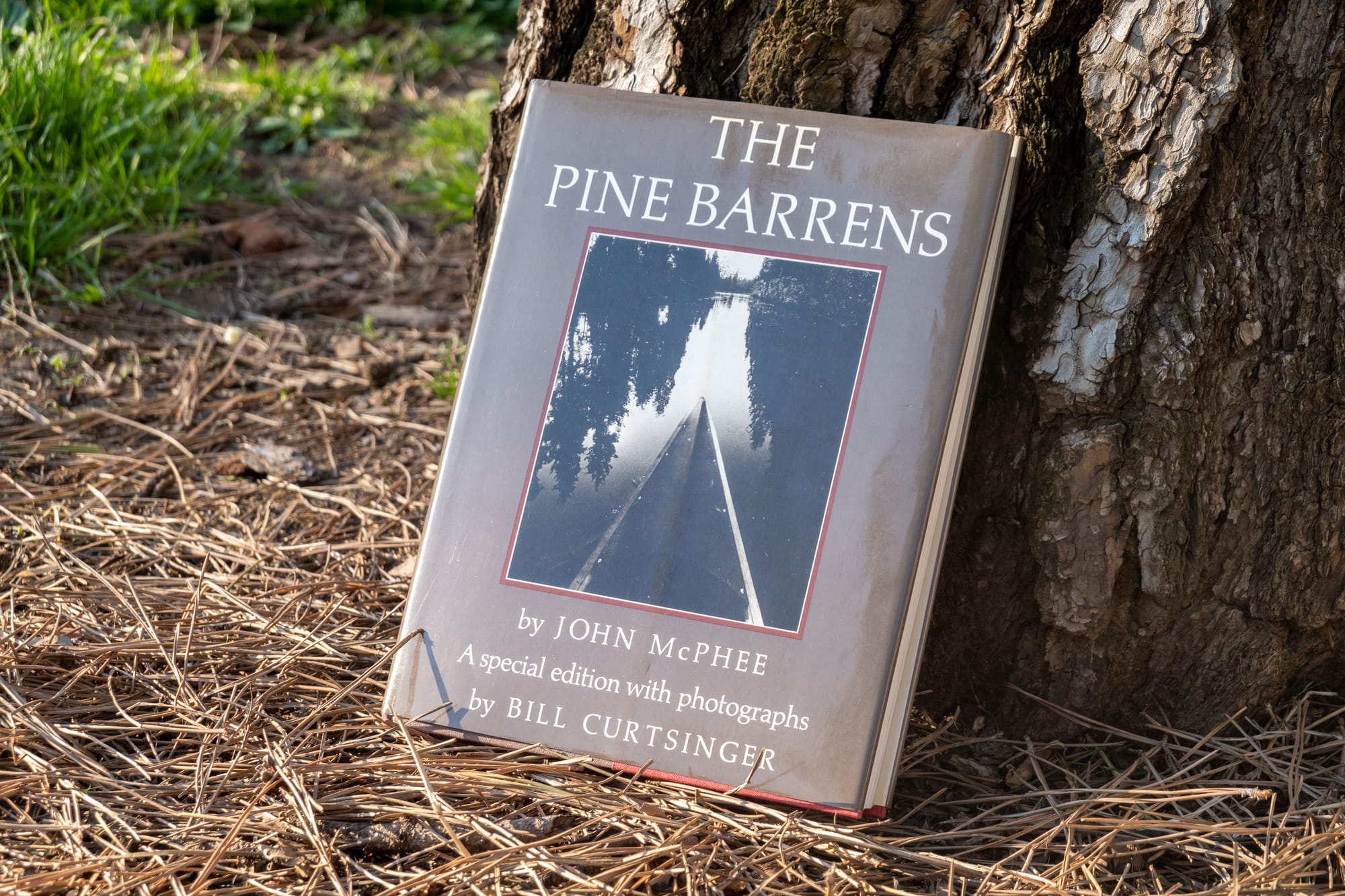
This mystical landscape is home to a legend of brutish proportion, kept alive by generations of proud Pineys. John McPhee introduces the Jersey Devil in his exhaustive 1968 account of the region's natural and cultural history, The Pine Barrens. The monster was born in the 1730s as a mix between a bat and a kangaroo that could jump a cranberry bog in a single bound. It would go on to kill its parents and practically anything else unfortunate enough to be in its path. McPhee goes on:
Fred Brown believes. “The Jersey Devil is real,” he told me. “That is no fake story. A woman named Leeds had twelve living children. She said if she ever had another one she hoped it would be the Devil. She had her thirteenth child, and it growed, and one day it flew away. It’s haunted the earth ever since. It’s took pigs right out of pens. And little lambs. I believe it took a baby once, right down in Mathis town. The Leeds Devil is a crooked-faced thing, with wings. Believe what you want, I’m telling you the truth.”
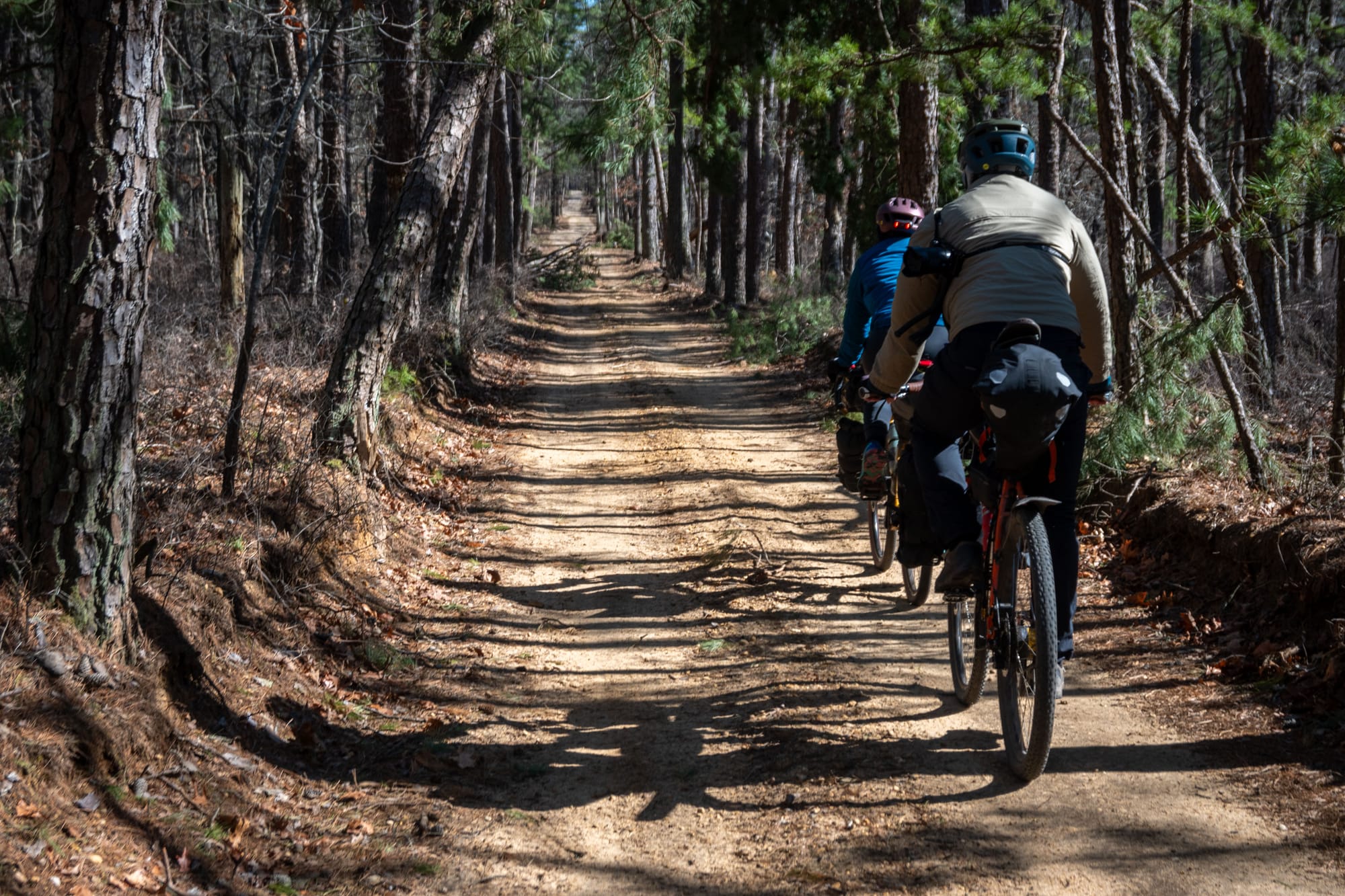
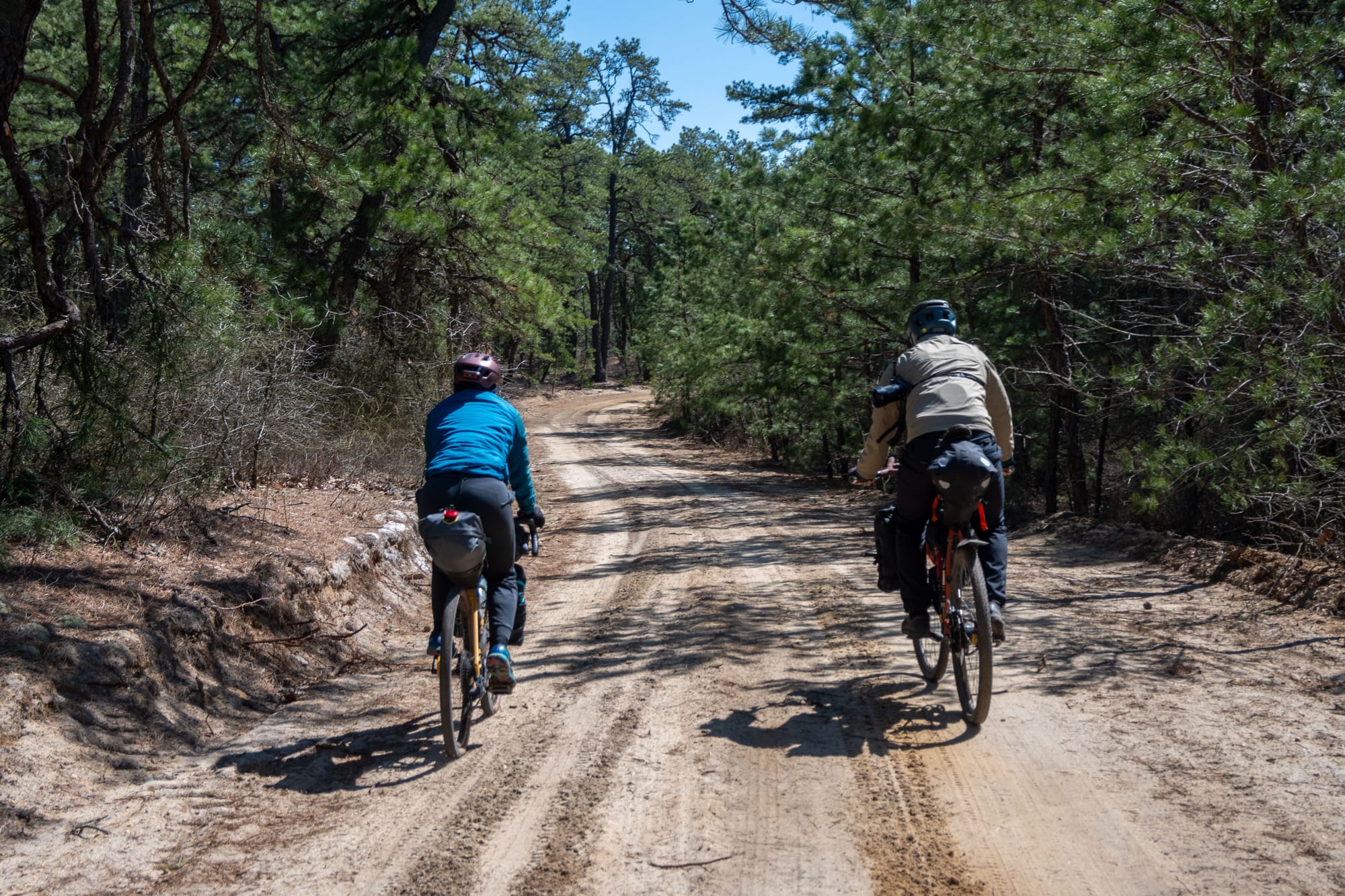
You, too, can venture deep into the Pine Barrens to stalk the Jersey Devil.
The Jersey Devil Hunt was designed by Julian Bender, a West Philly native who's been bikepacking in the Pine Barrens since 2011. He's since followed life's path to the Levantine region of the Middle East. There he spent two and a half years exploring the desert while planning and developing long distance hiking trails like the Abraham Path, the Jordan Trail, and the Sinai Trail.
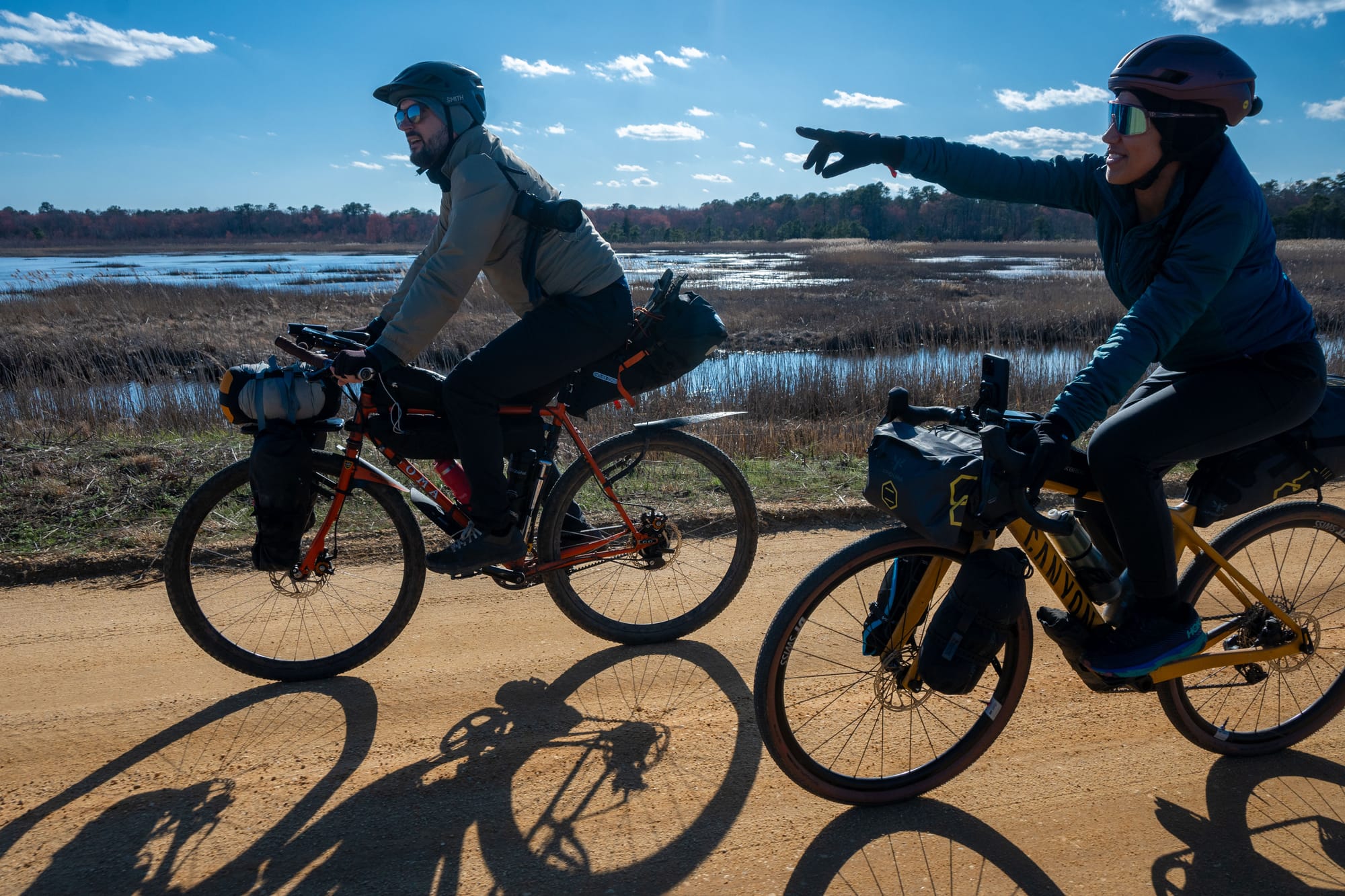
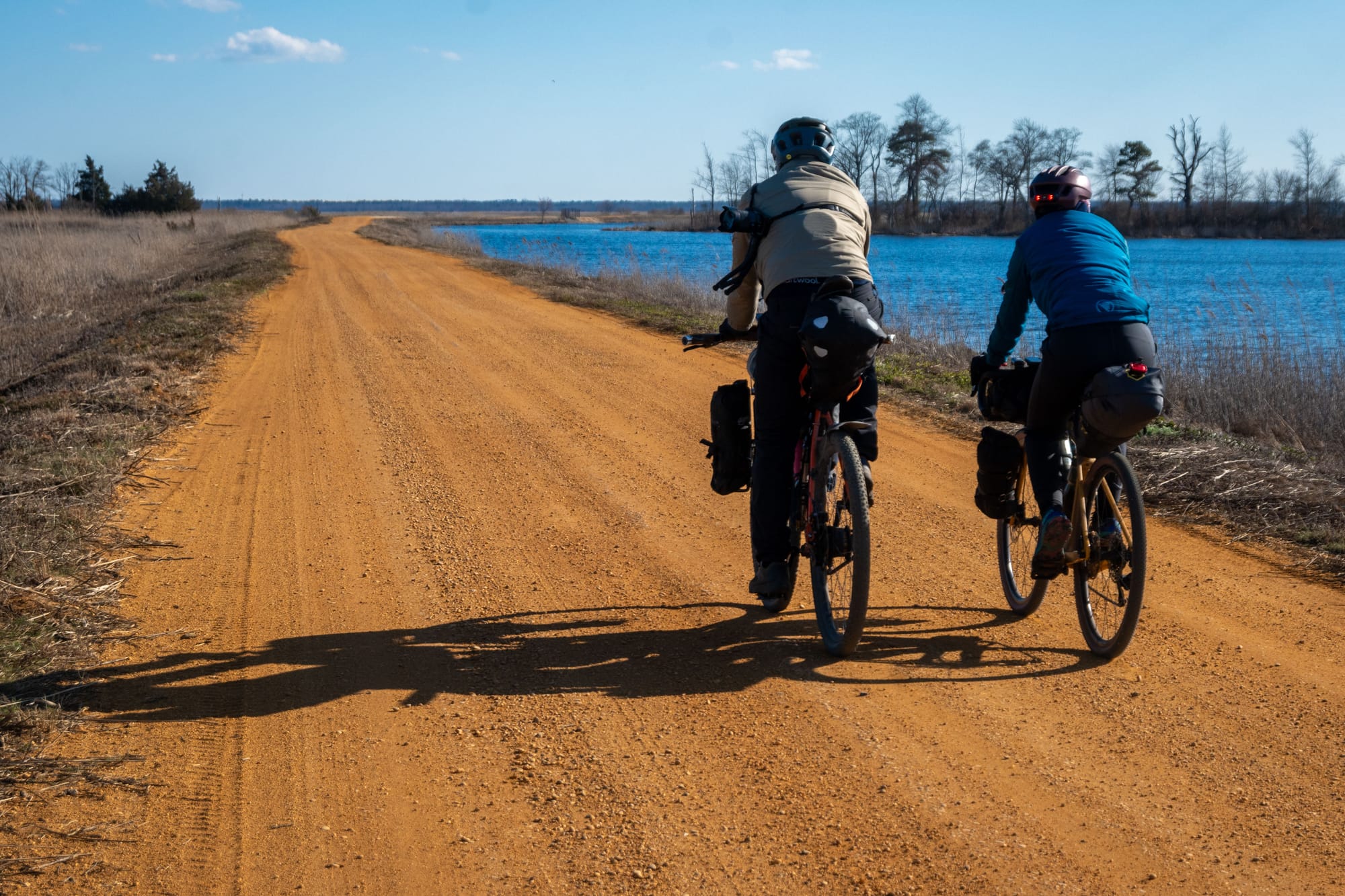
Julian continued to scour the pinelands, earning a familiarity with its roads, trails, and landmarks. At the same time, he noticed a lack of nearby bikepacking routes in online databases. After checking out a seminar about designing routes at the Philly Bike Expo in 2024, he was inspired to develop and steward such a route in the Pinelands. He says he's only scratched the surface, but I'm highly impressed by all he's learned and shared.
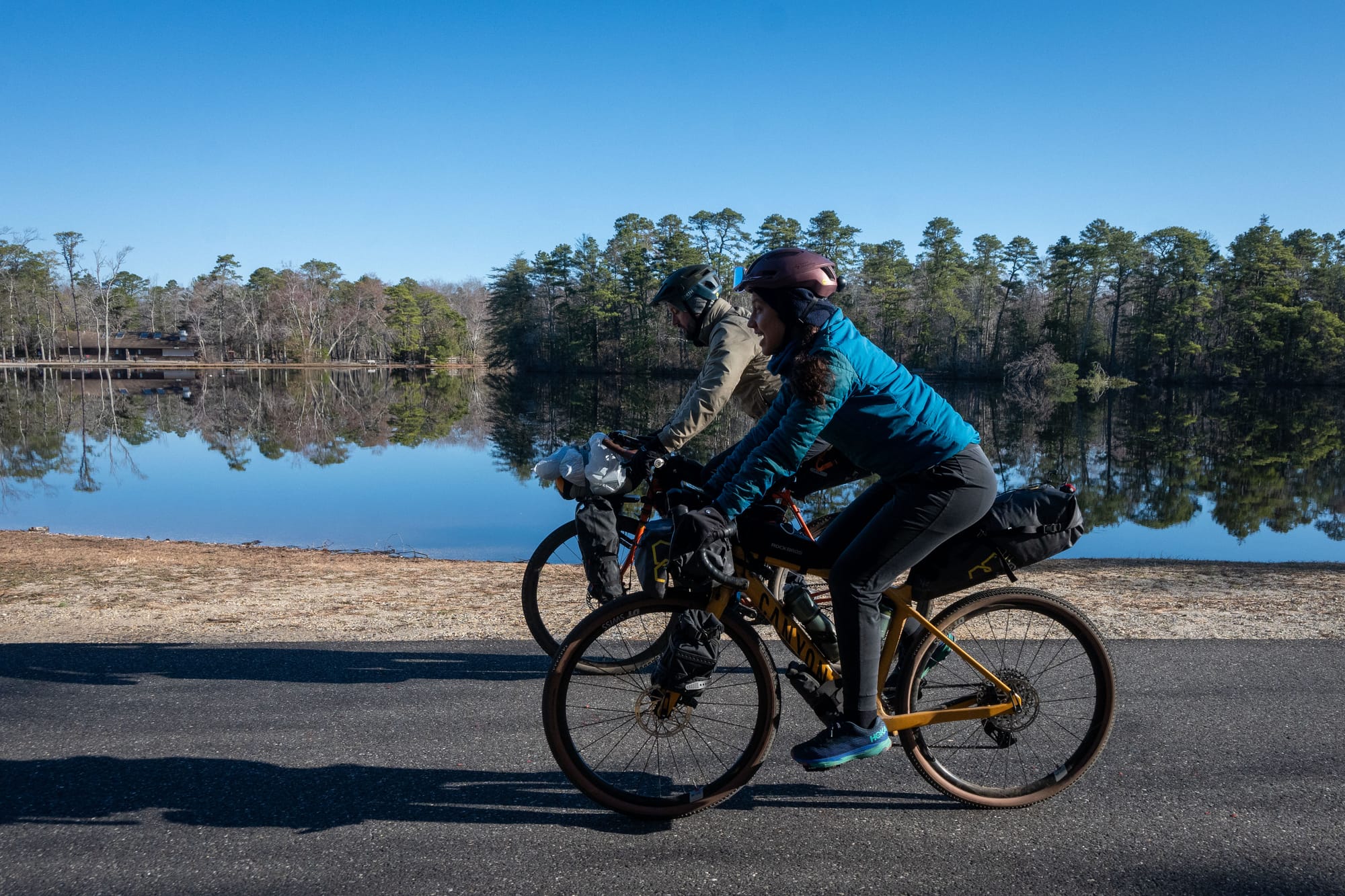
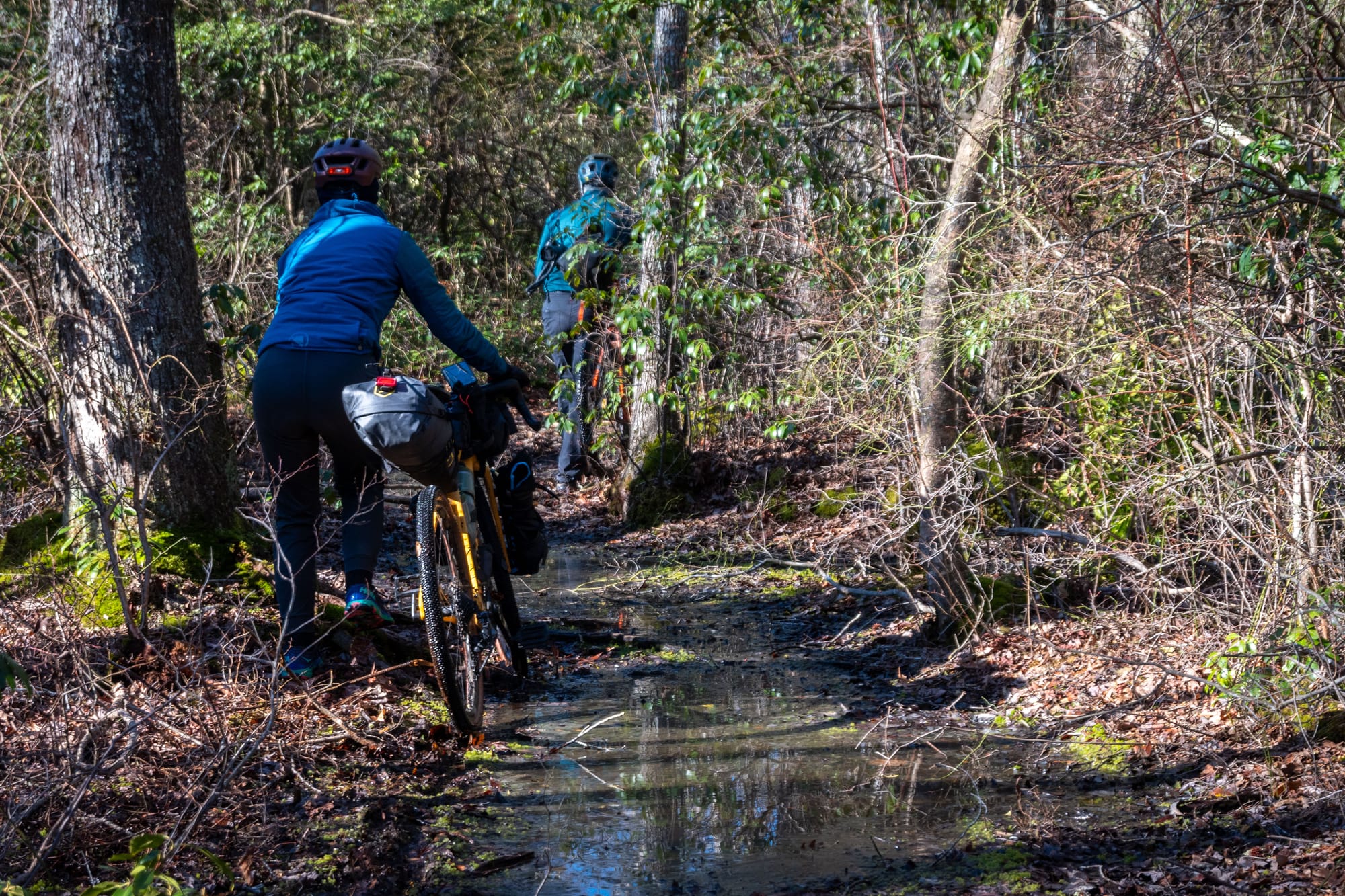
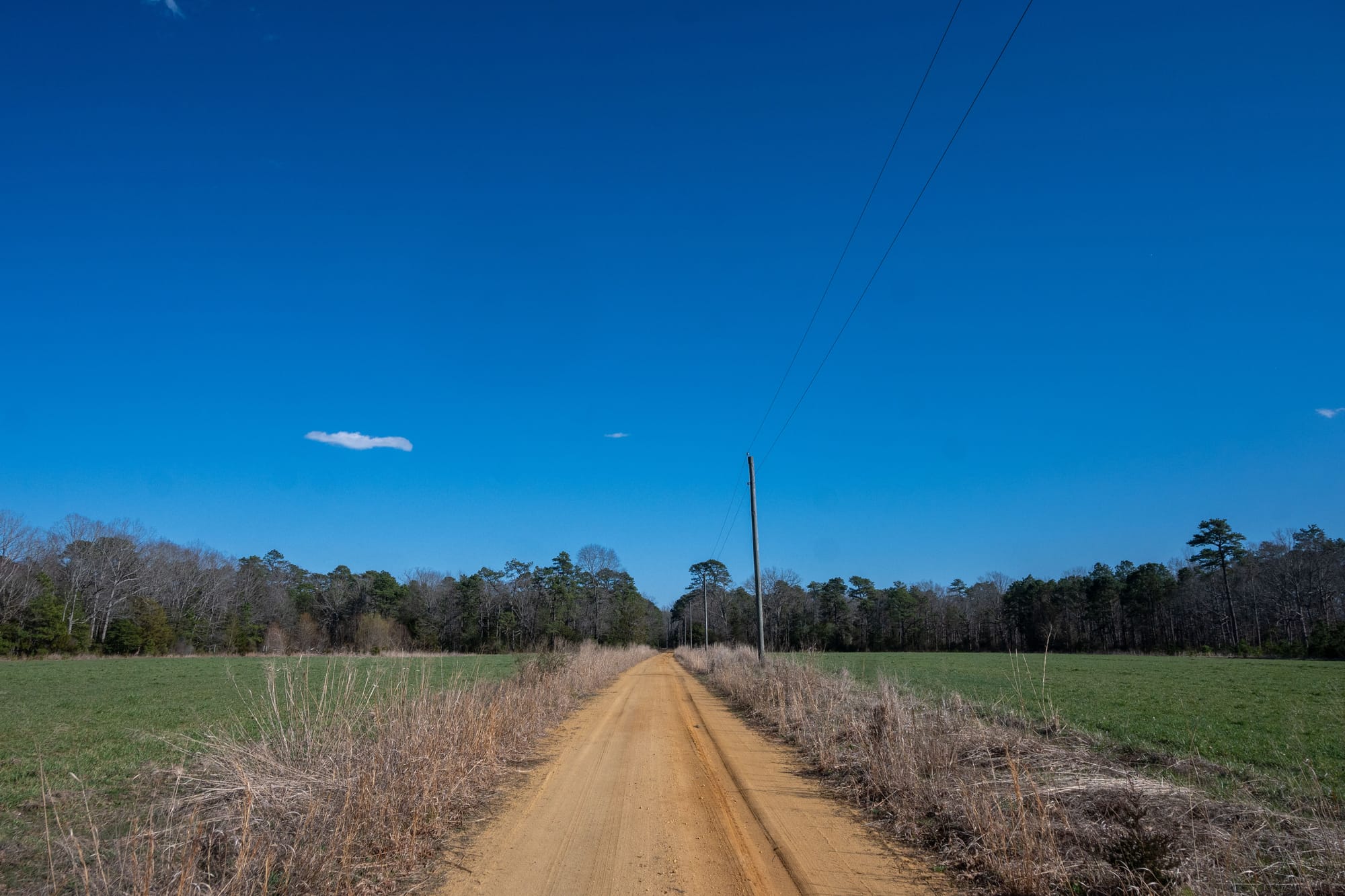
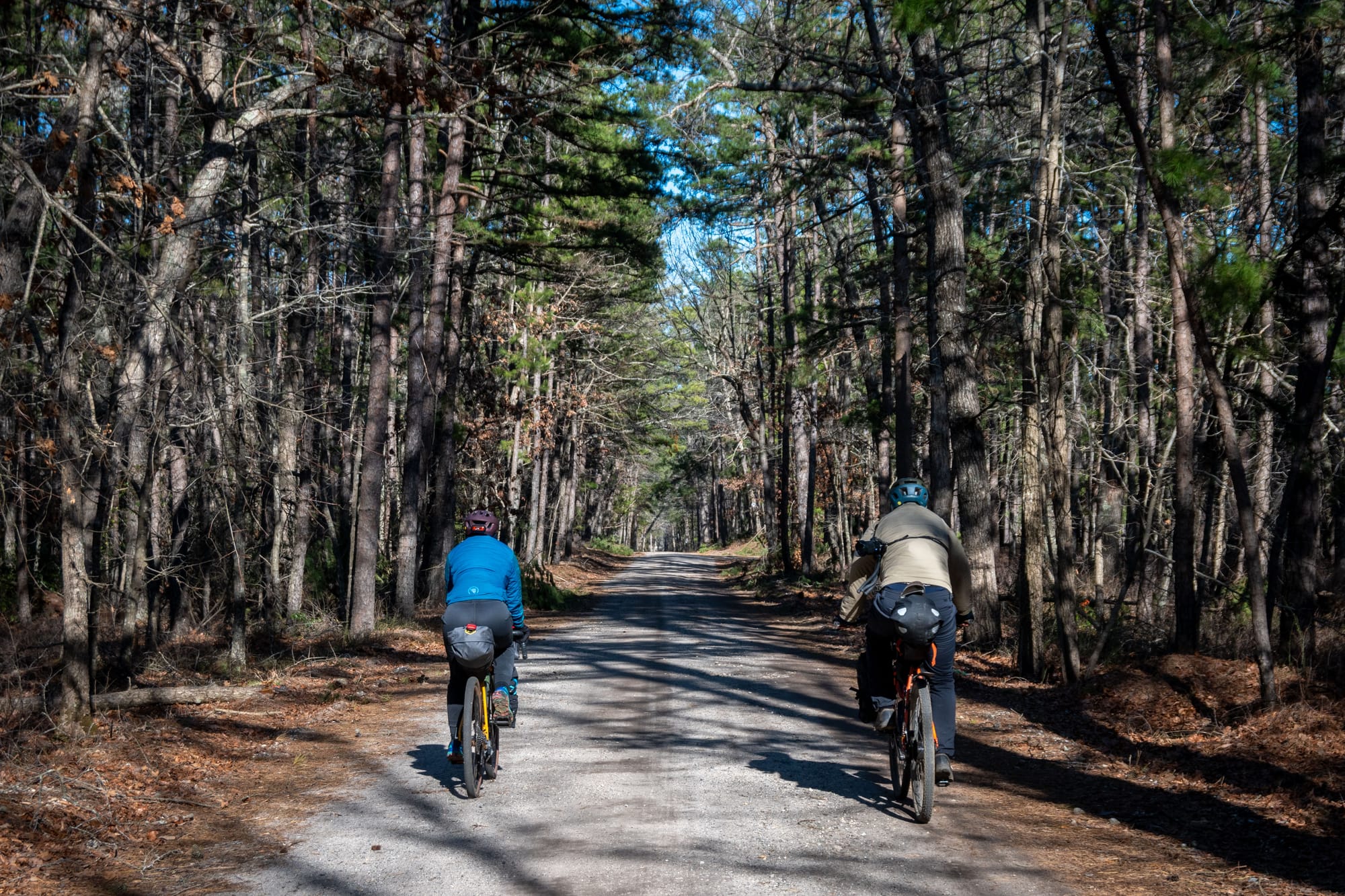
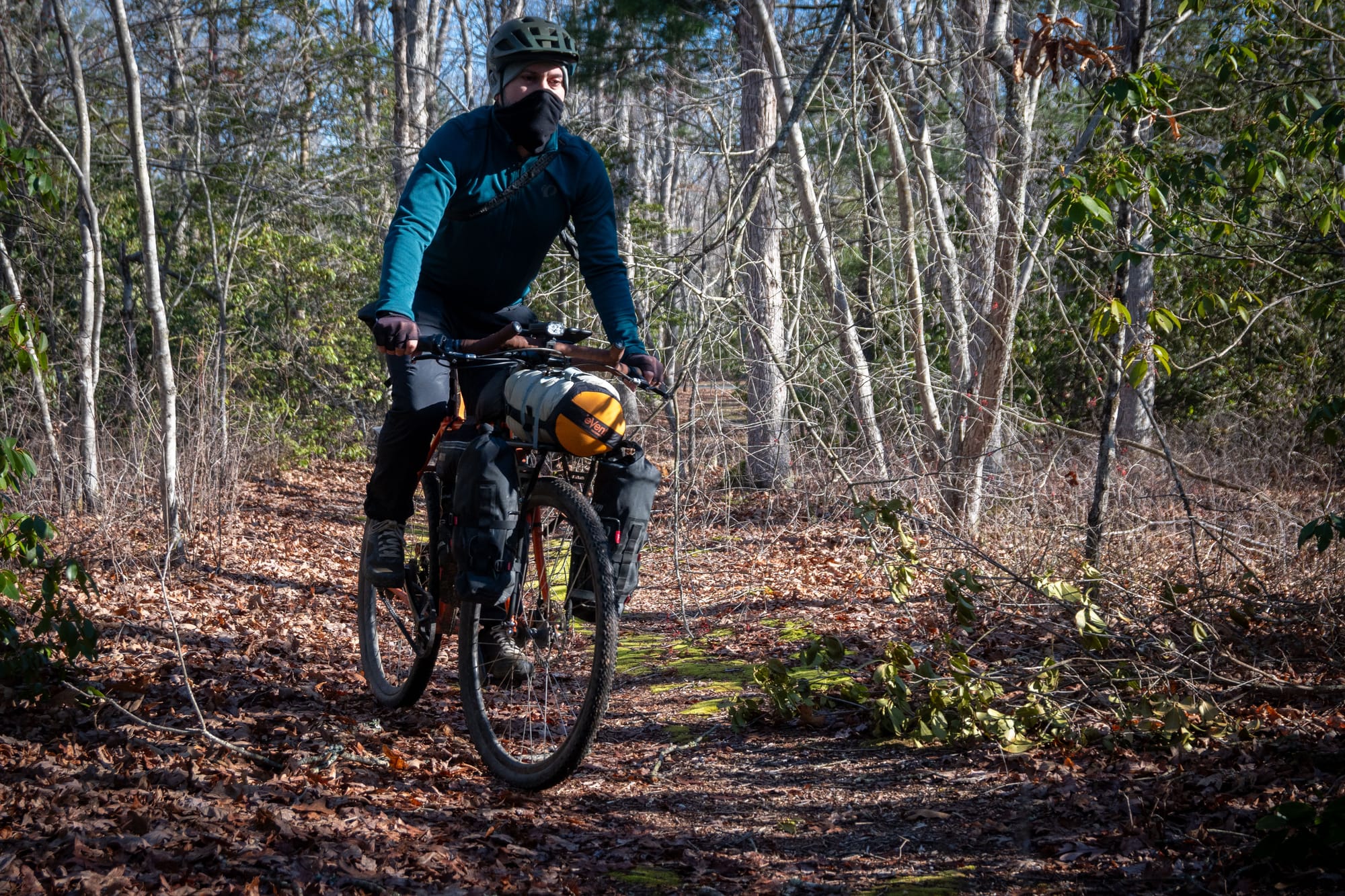
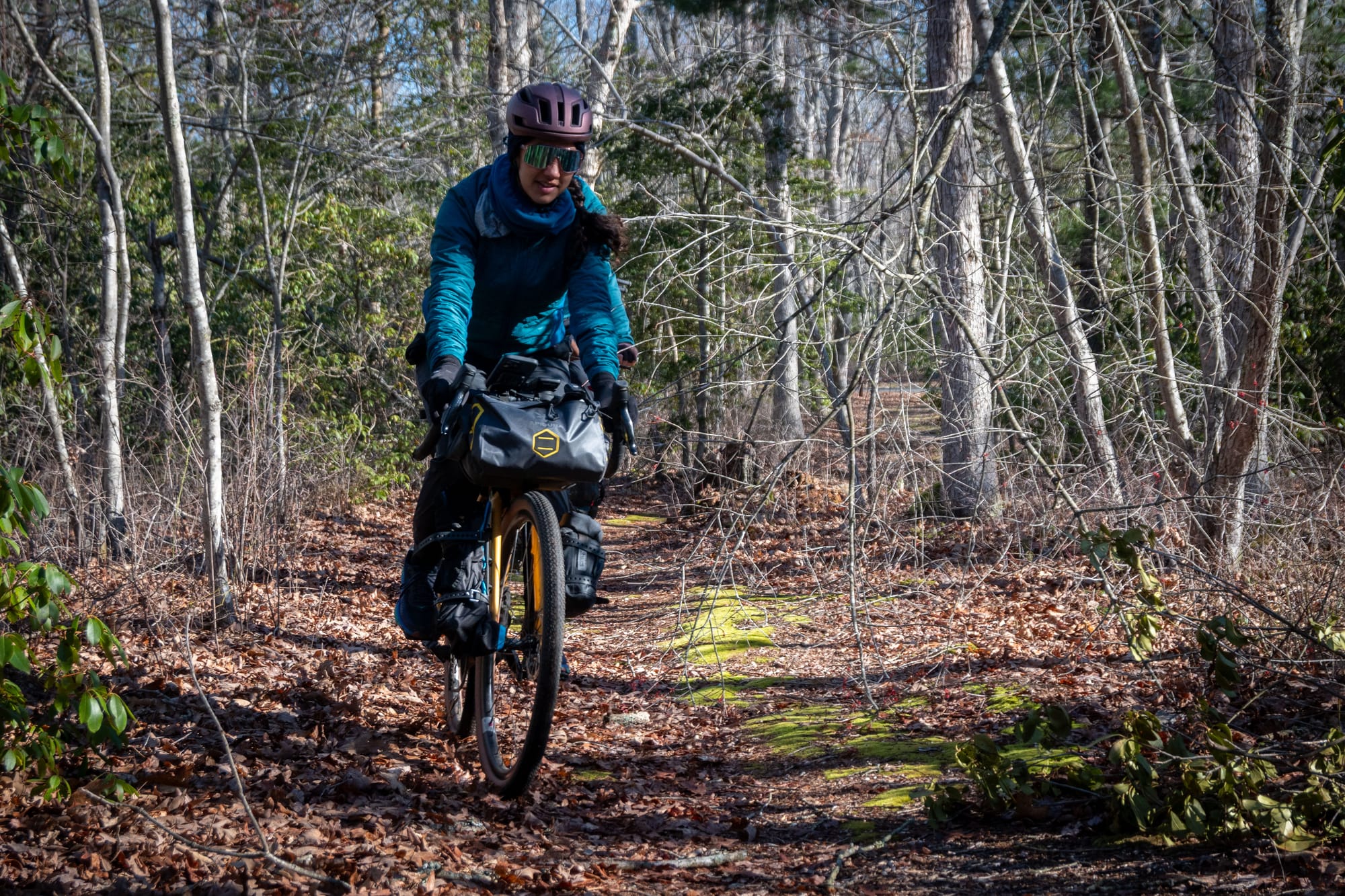
The 170 mile route was designed to prioritize unpaved surfaces while avoiding sugar sand hike-a-bikes. You'll enjoy some smooth gravel like our Manayunk Canal Towpath, rough gravel like Forbidden Drive, single track like the Trolley Trail, and plenty of smooth, fast tarmac. About 40% is unpaved and Bikepacking Roots recommends 40mm or wider gravel tires. I think you could manage with less if it's all you have, but be prepared for the occasional drift or dismount.
Despite total wilderness immersion, The Hunt is fully accessible via commuter rail, starting at Trenton Transit Center and ending at Atlantic City Convention Center. Trenton is served by SEPTA, NJ Transit, and multiple Amtrak lines, making the route easily accessible from all the East Coast's major metropolitans. From Atlantic City, a quick train ride zips you back to Philly.
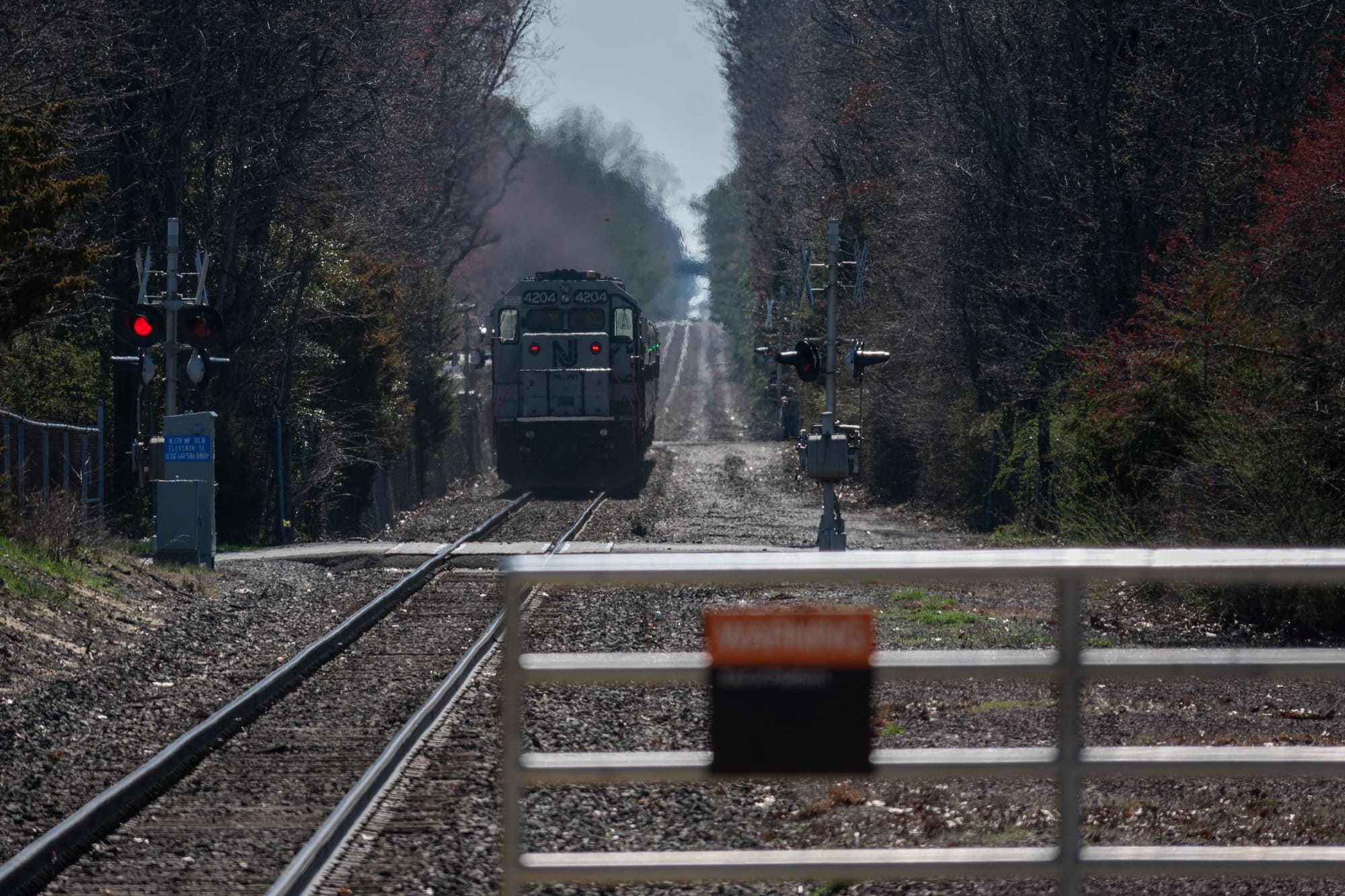
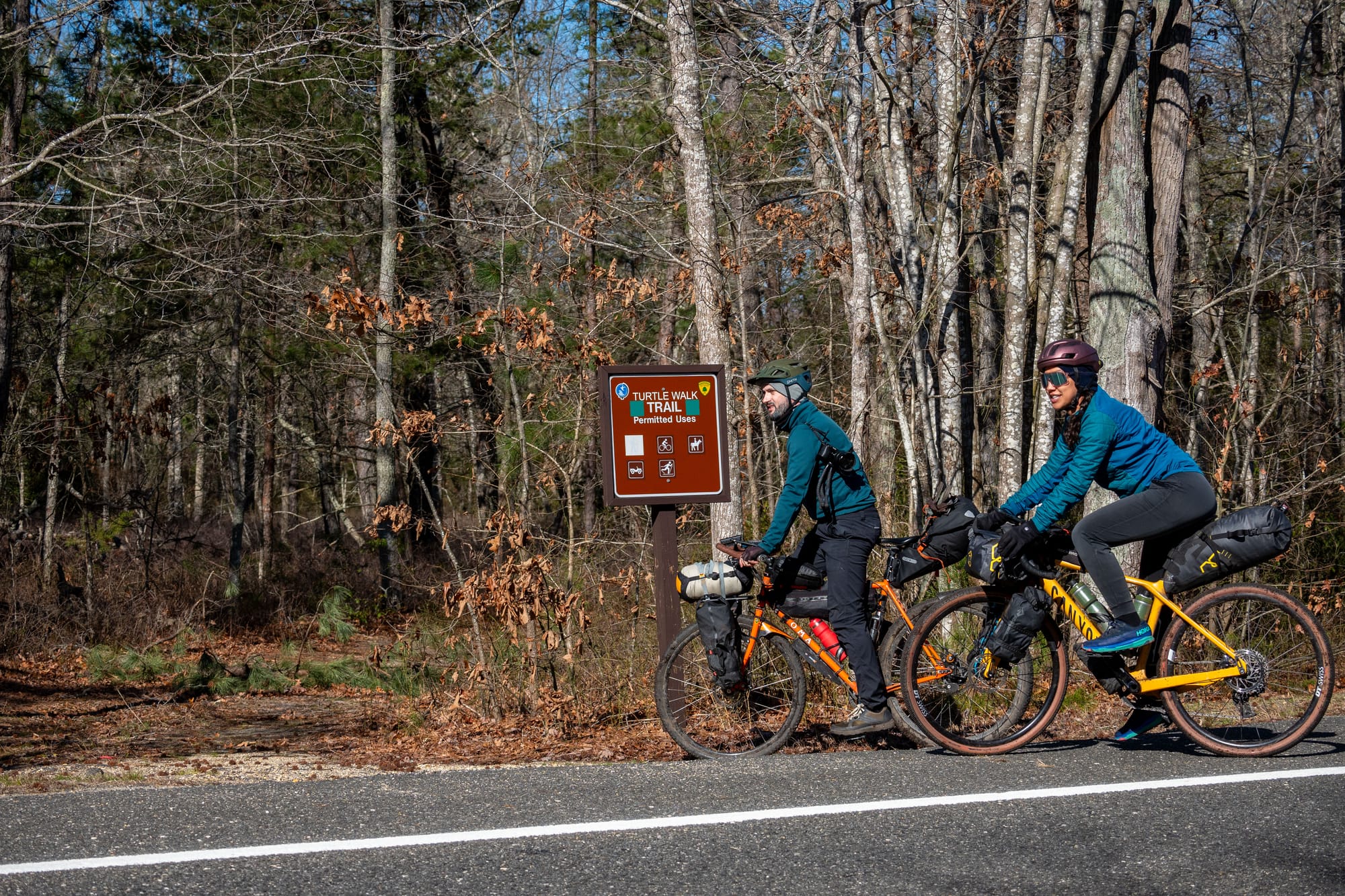
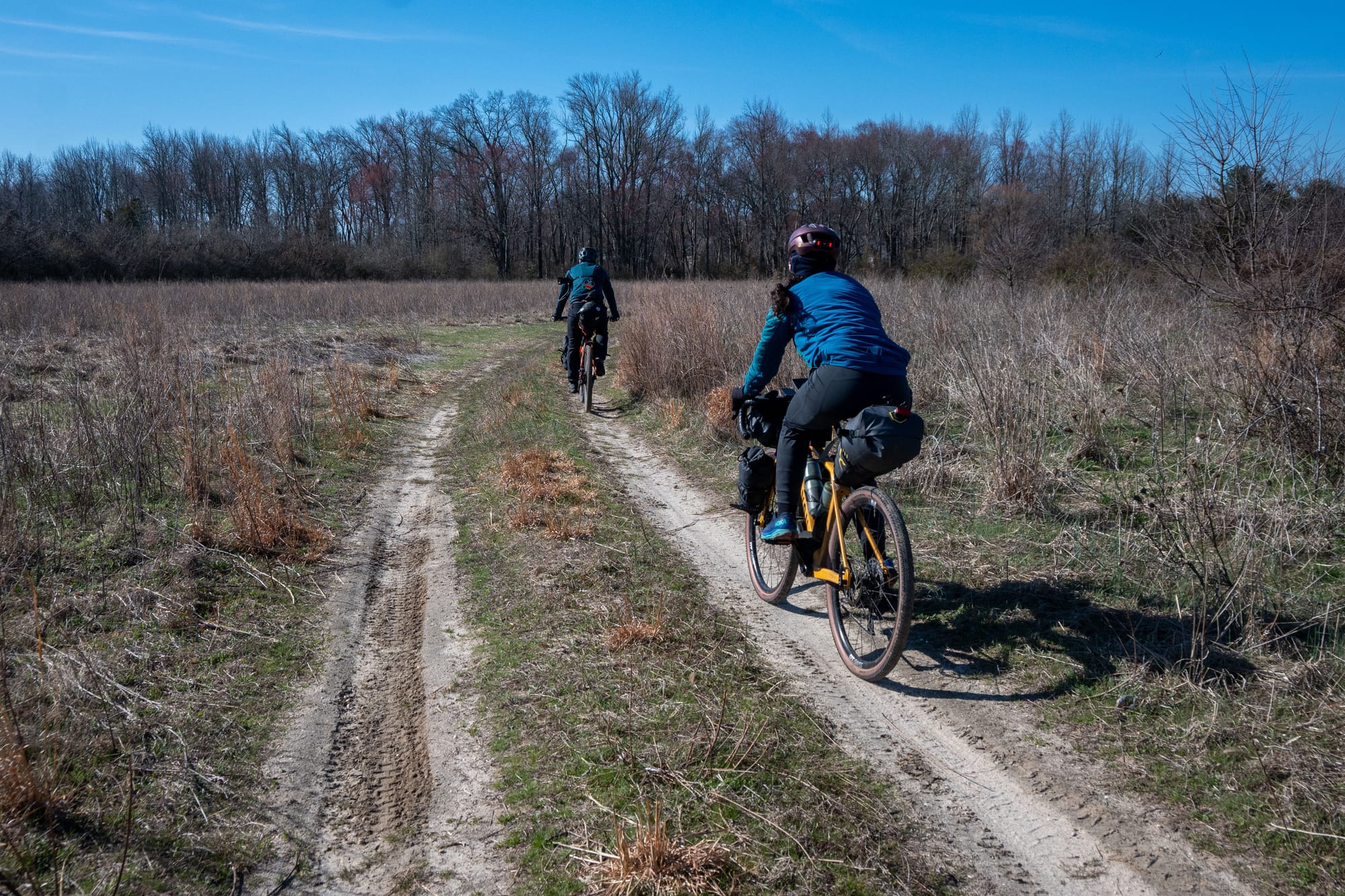
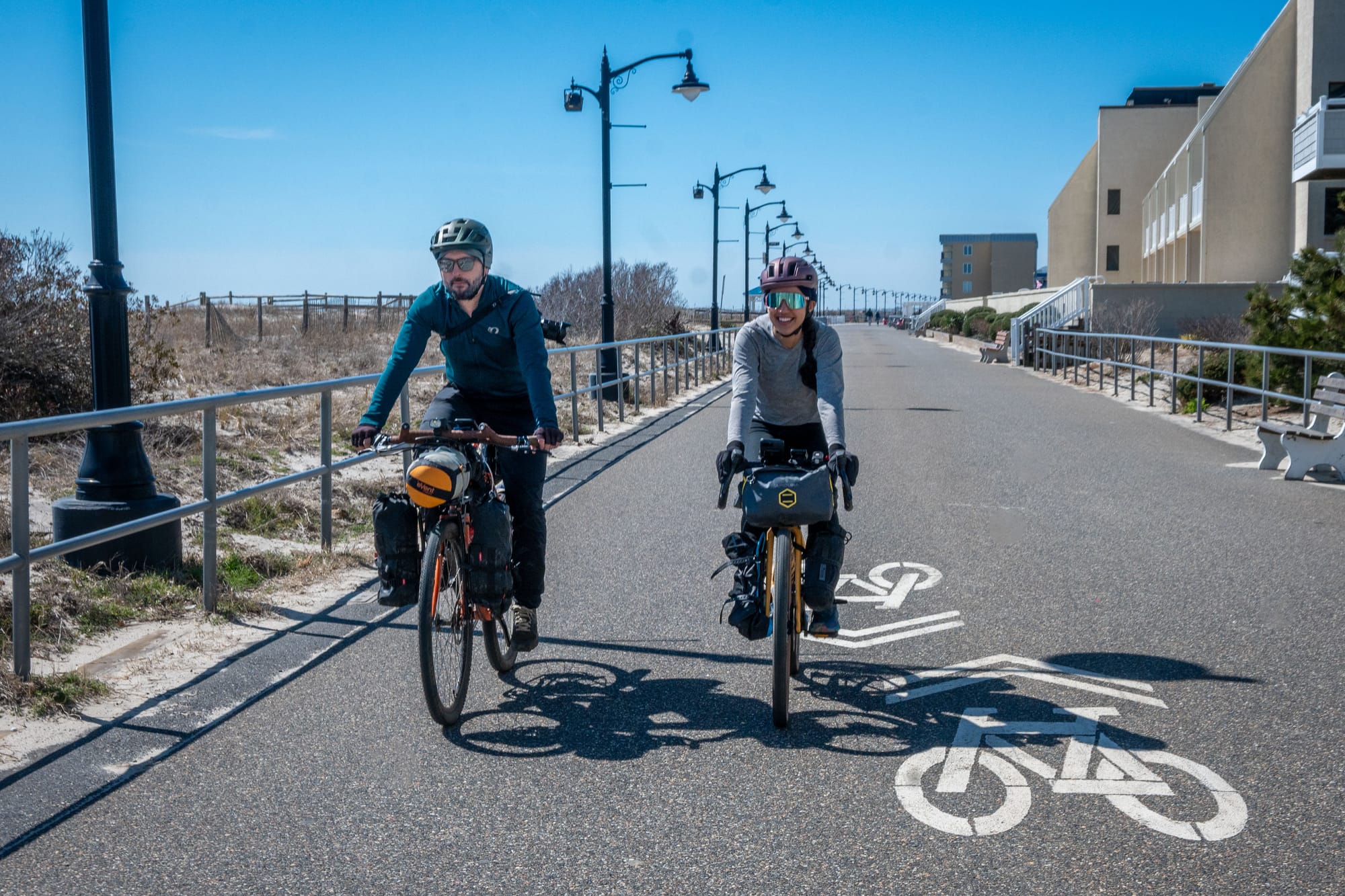
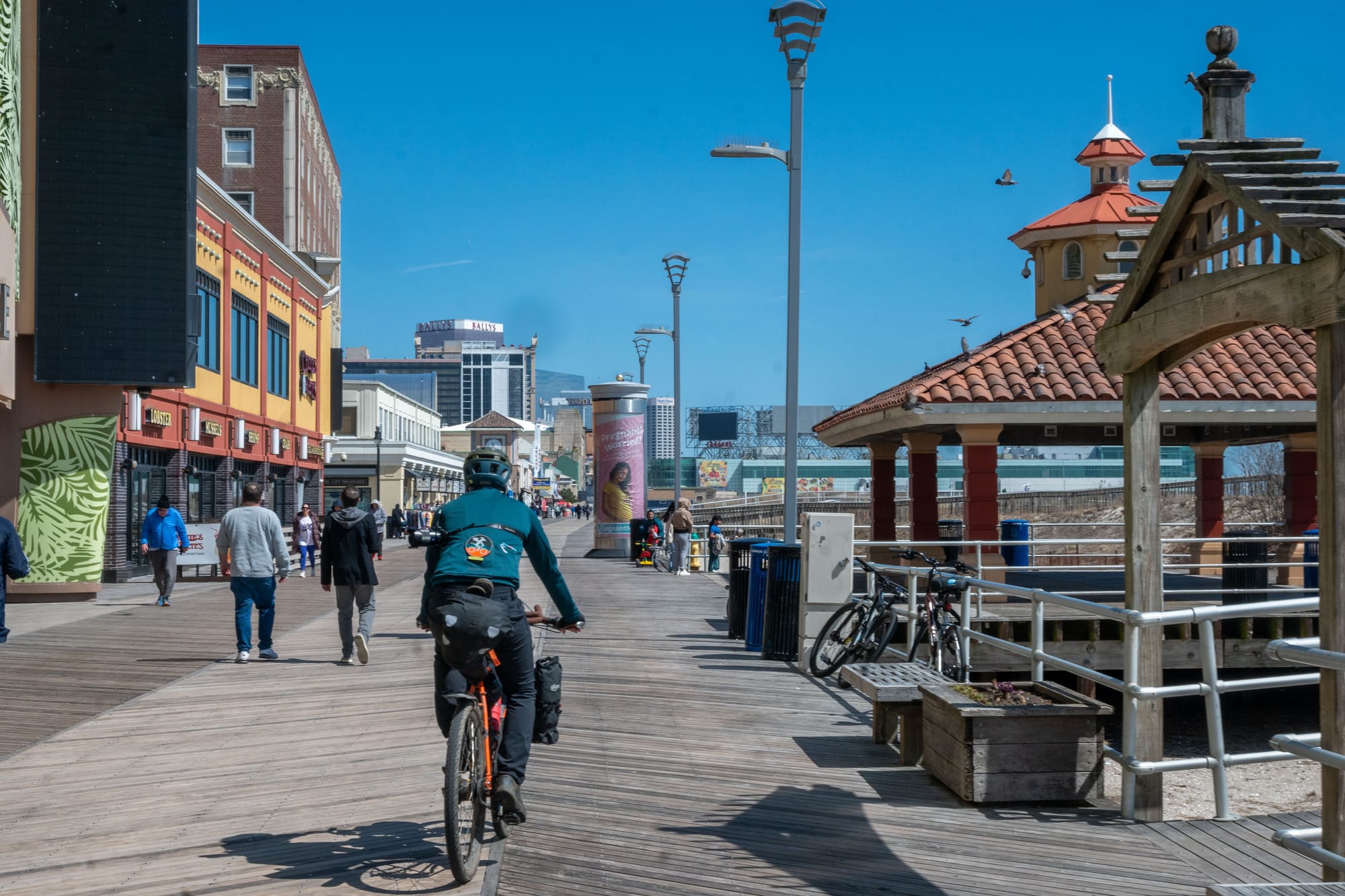
During the late-March trip photographed for this story, we rode the southern half as an overnighter, starting from near the midpoint at Hammonton's NJ Transit rail station. It almost sounds crazy, but we were able to sleep in on Saturday morning, enjoy 100 miles of mixed-surface riding with plenty of breaks, stoke a camp fire under the stars in unspoiled wilderness, and get home before 4pm Sunday. All without needing a car.
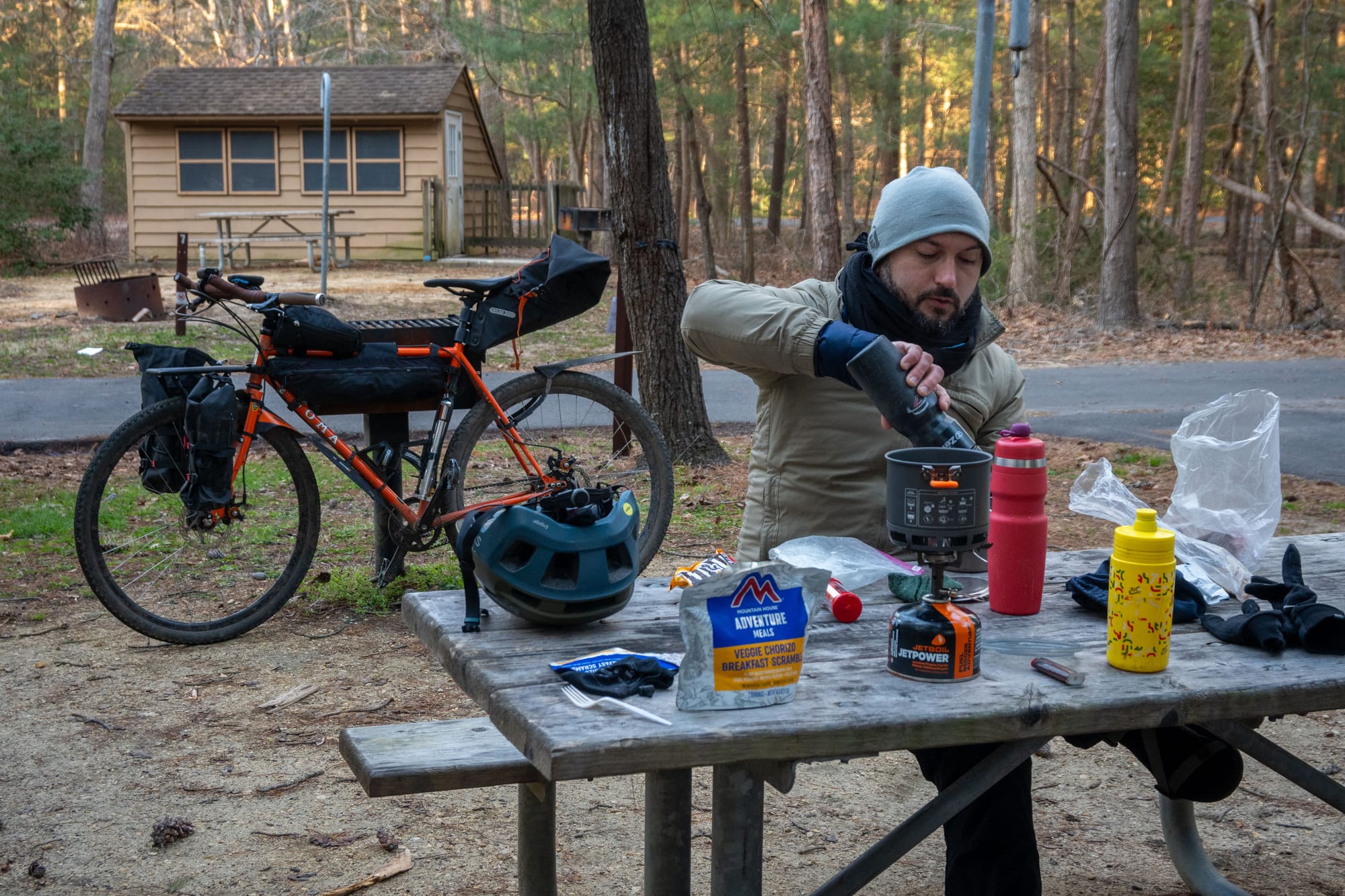
Ride Rundown
- Connected with Tracey and Julian to plan our trip and coordinate logistics.
- Left Philly on the 9:53 am NJ Transit train to Hammonton.
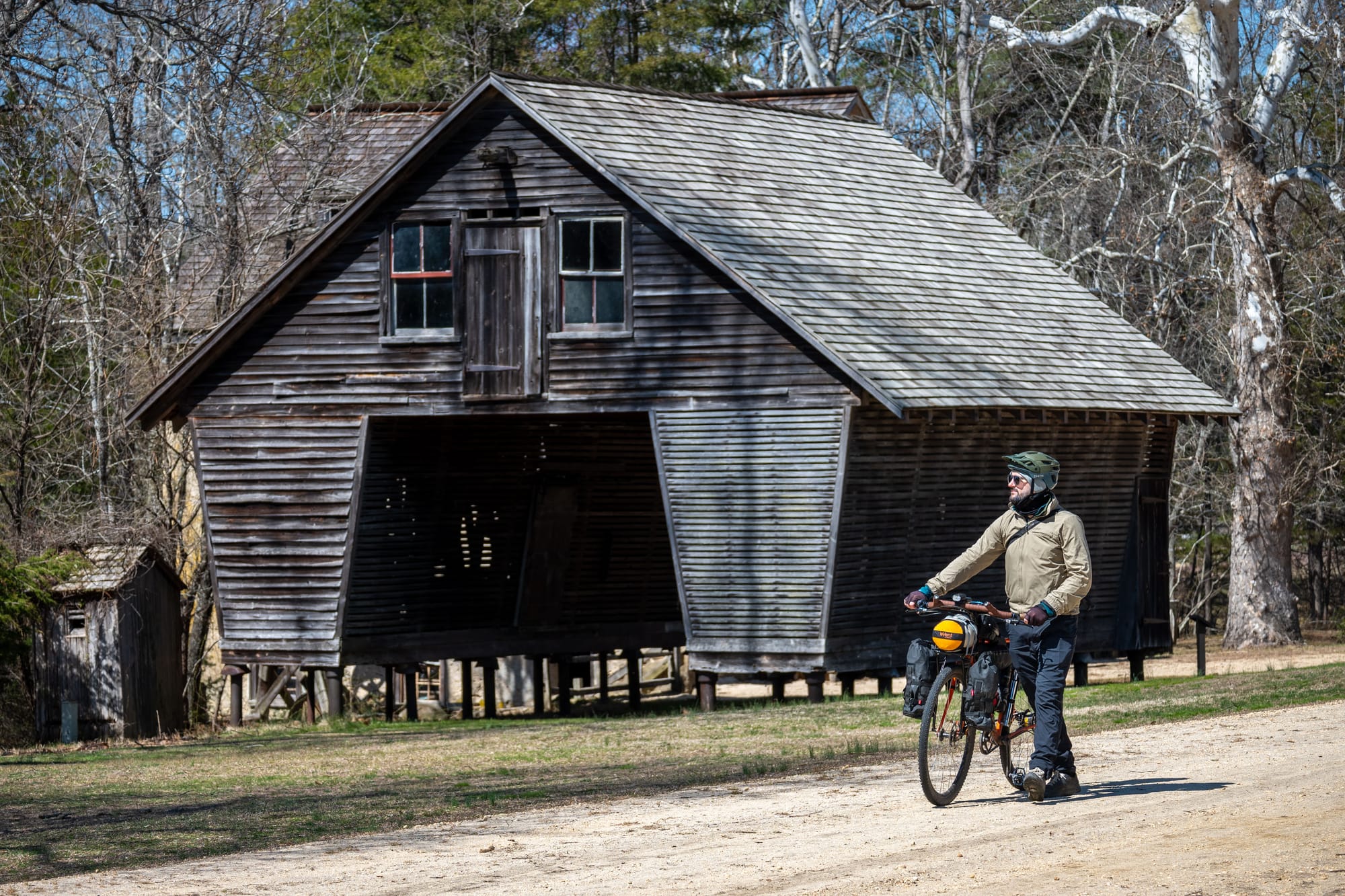
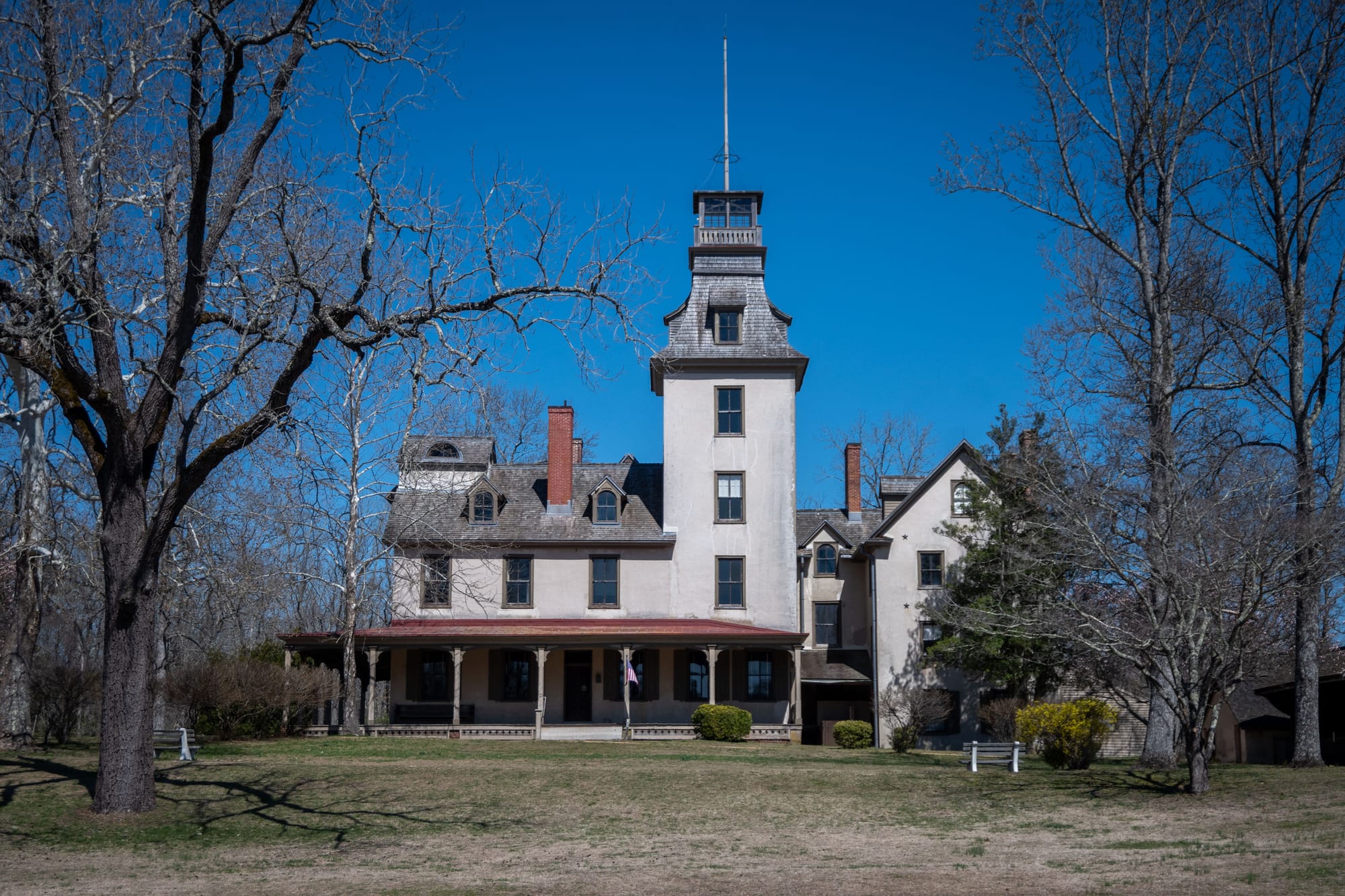
- Joined the route at Batsto Village, a historic iron-working village and ghost town.
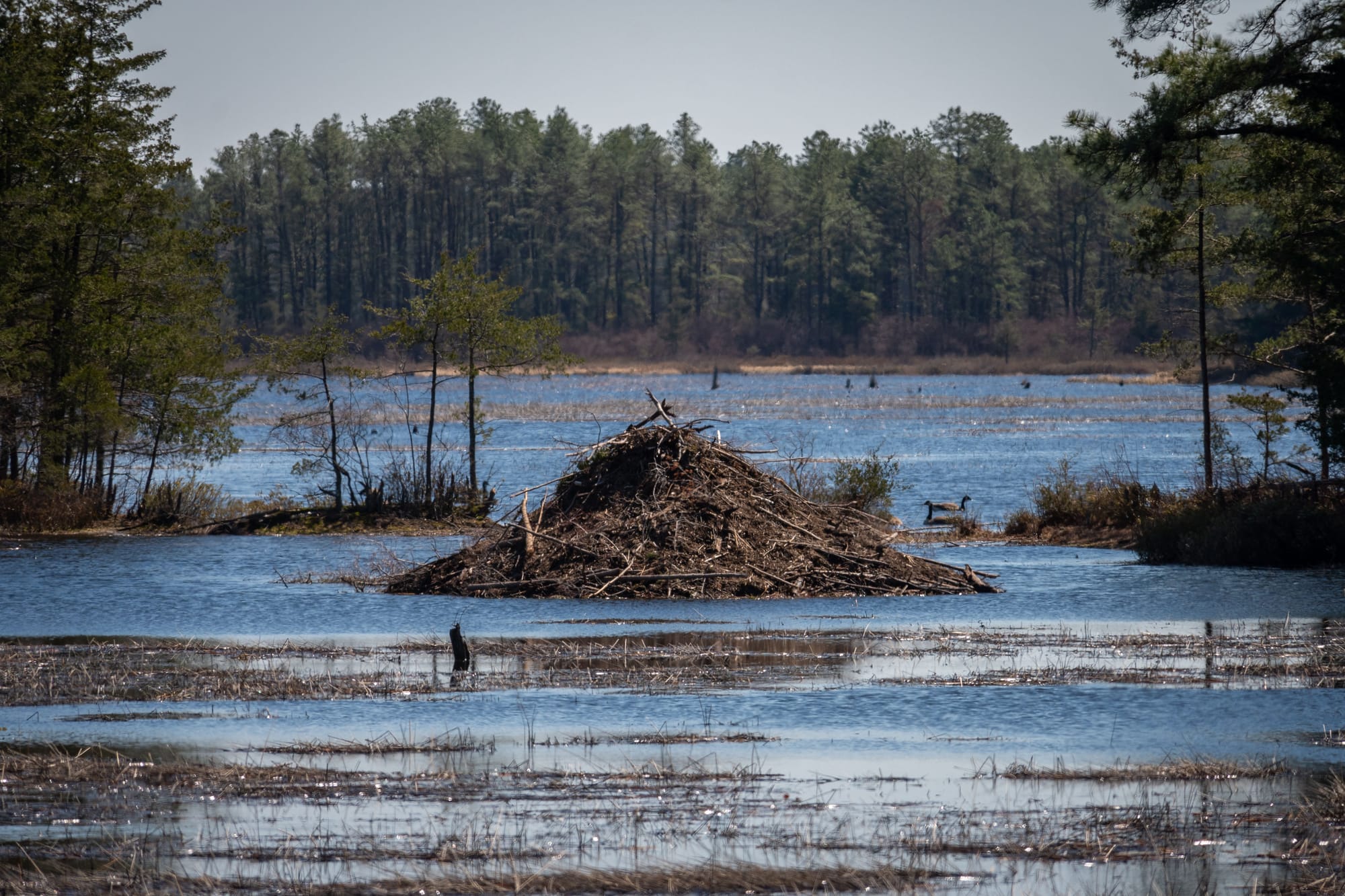
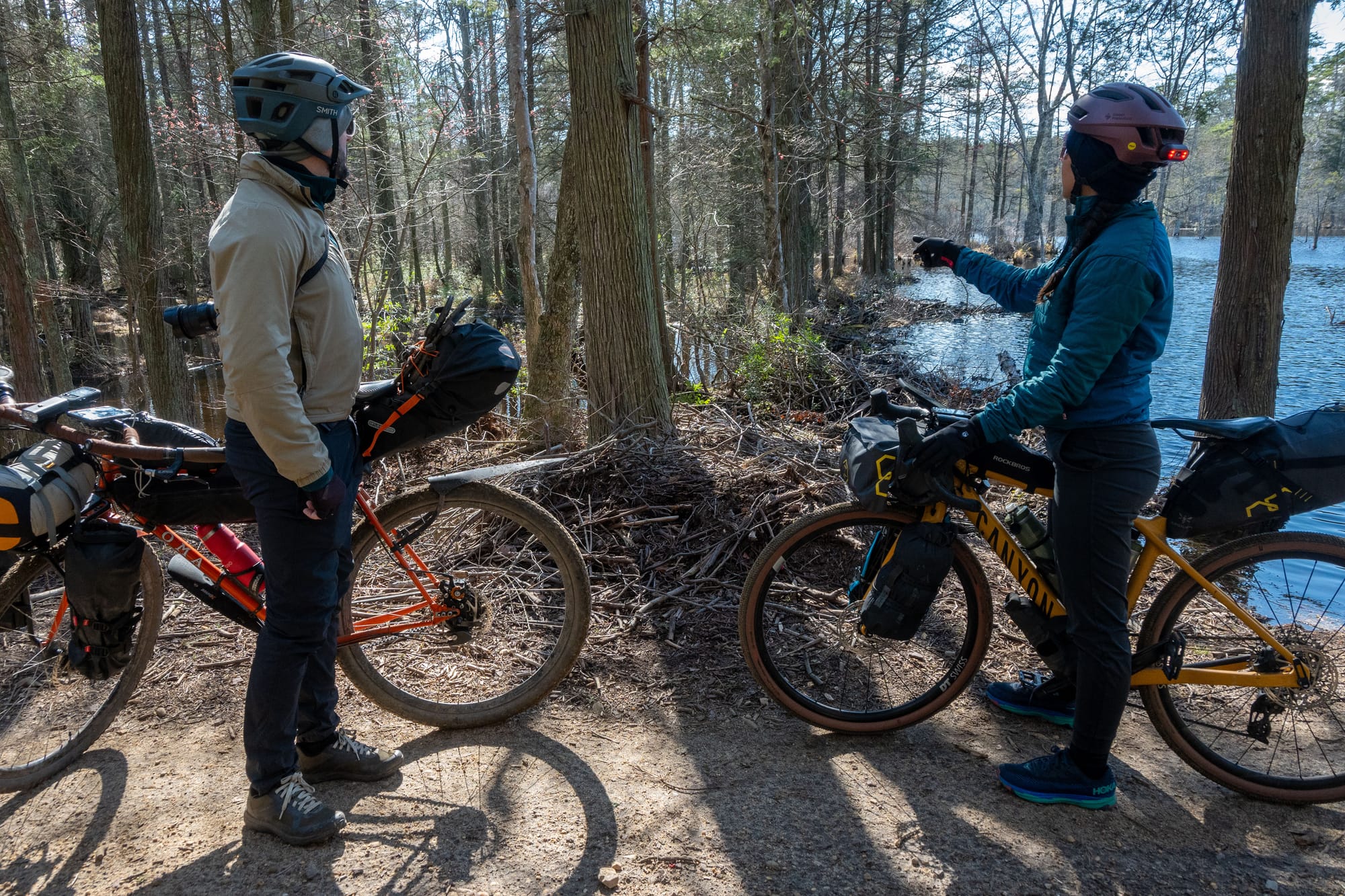
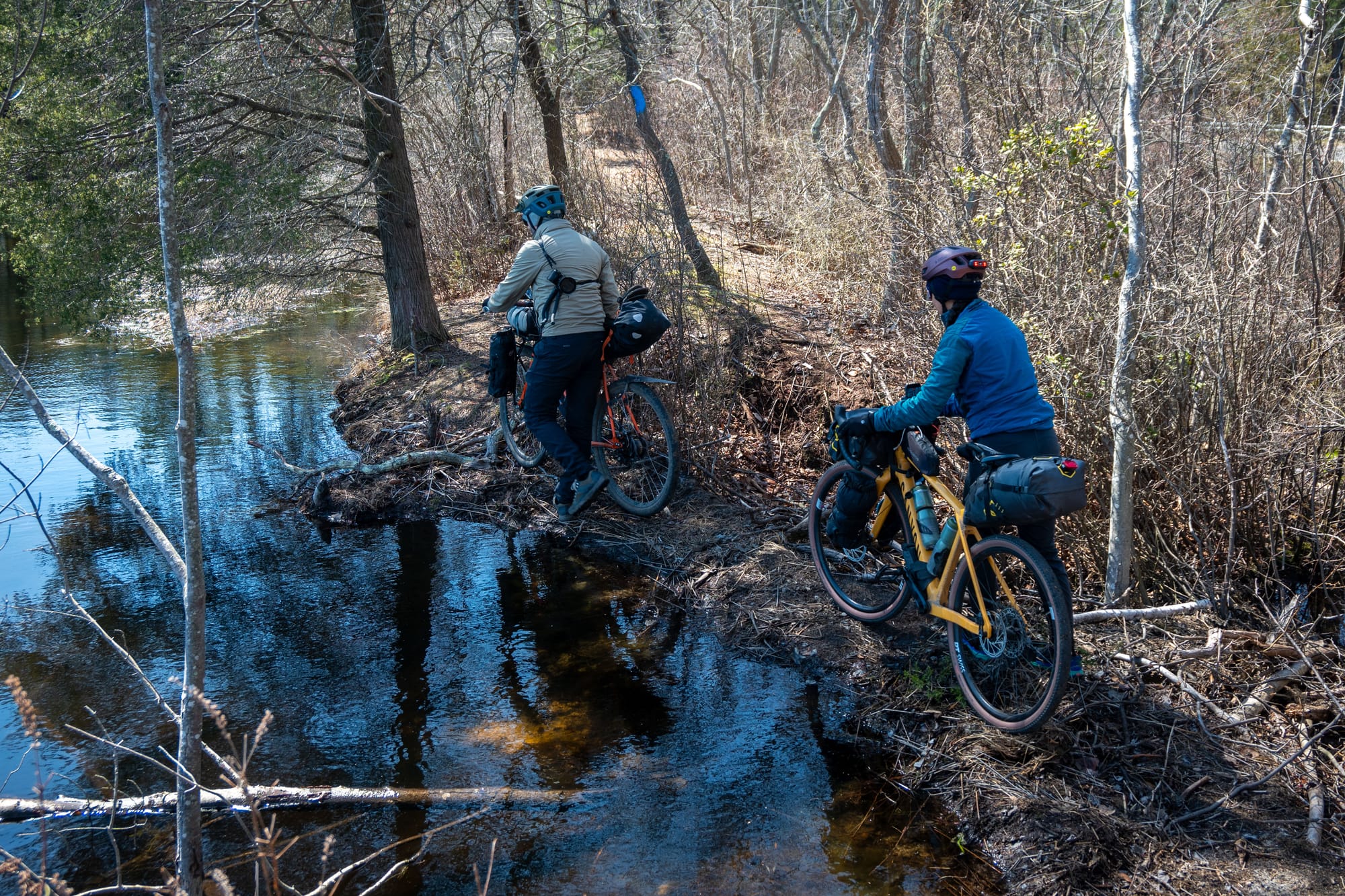
- Collected asphalt, sand, and gravel miles while observing the native flora, fauna, and some possible beaver dams.
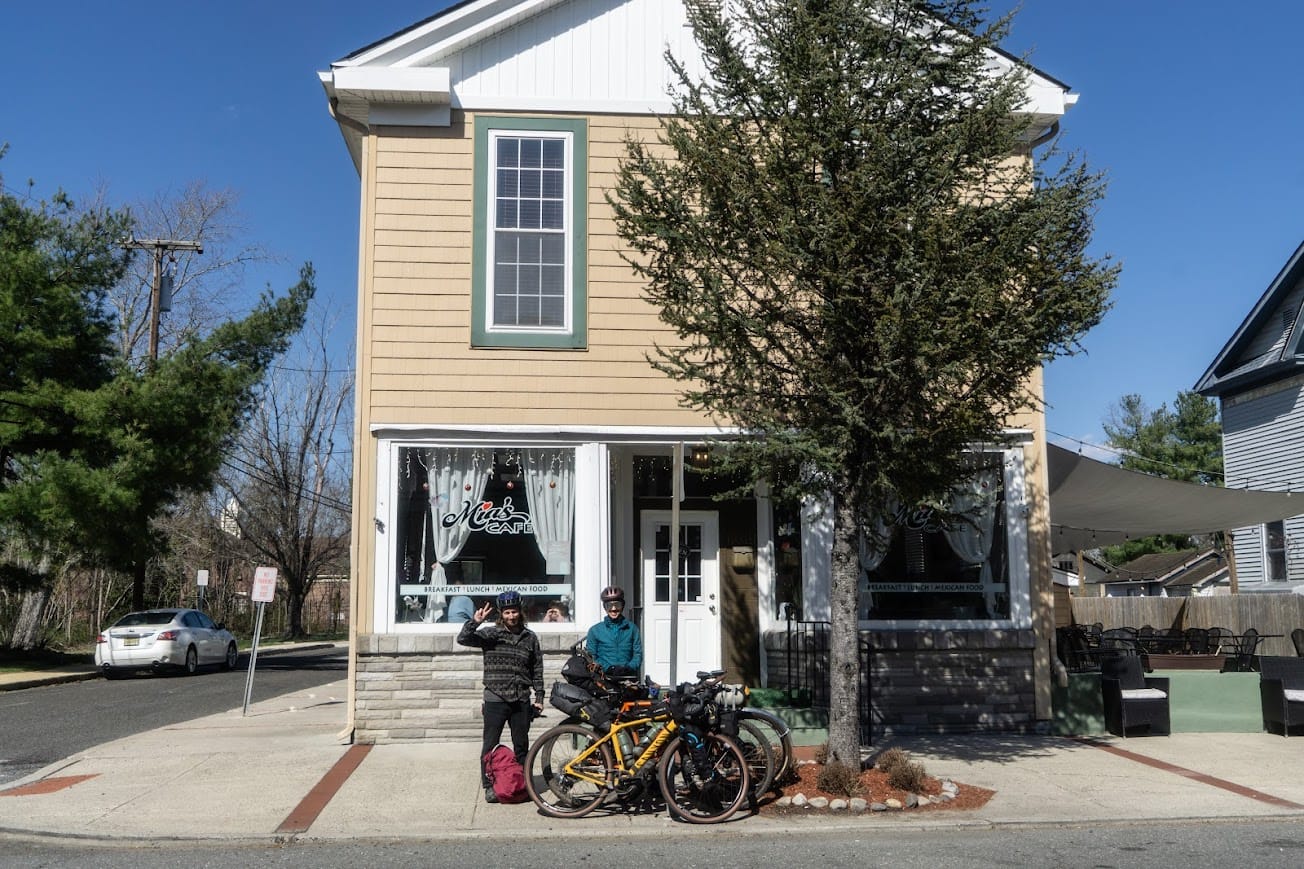
- Luxurious lunch at Mia's Cafe in May's Landing.
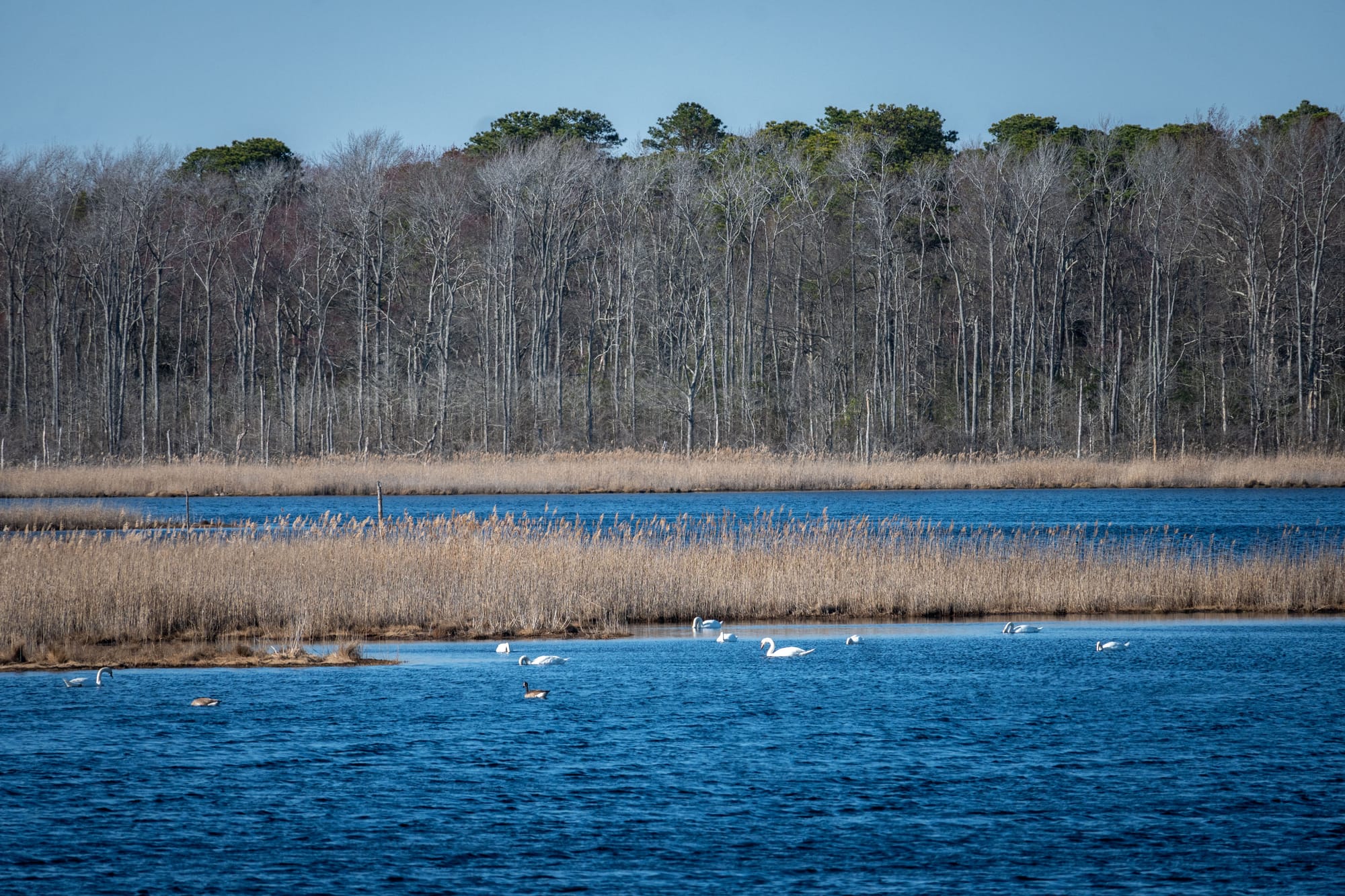
- Otherworldly vistas from the tidal wetlands at Tuckahoe Wildlife Management Area.
- Set up camp at Belleplain State Forest before dark. With freezing overnight temperatures forecasted, we opted to reserve propane-heated lean-tos.
- Breakfast with a side of single track to start the day. Less than twenty miles from camp to coast.
- Driven north by a tailwind through off-season shore towns from Sea Isle City to Atlantic City.
- Lunch at the terminal in time for the 1:37 pm train to Philly.
- Check out Tracey's shared photo album with all our pics here!
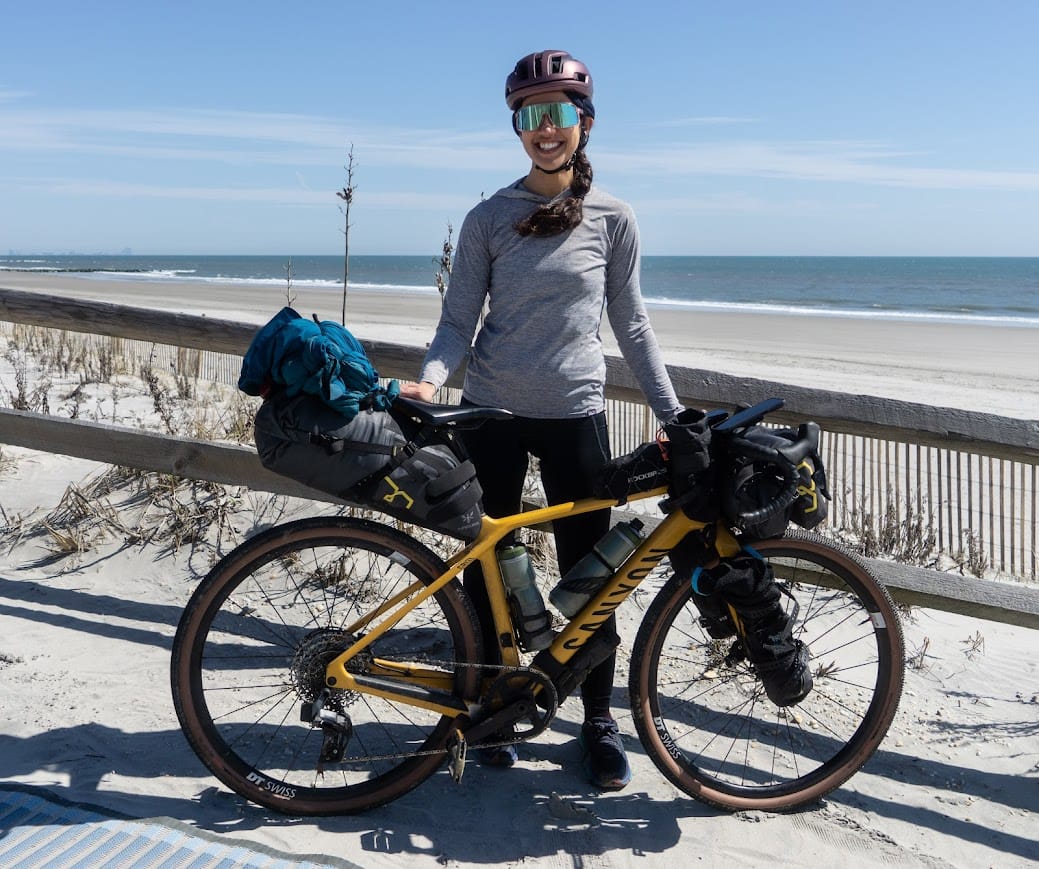
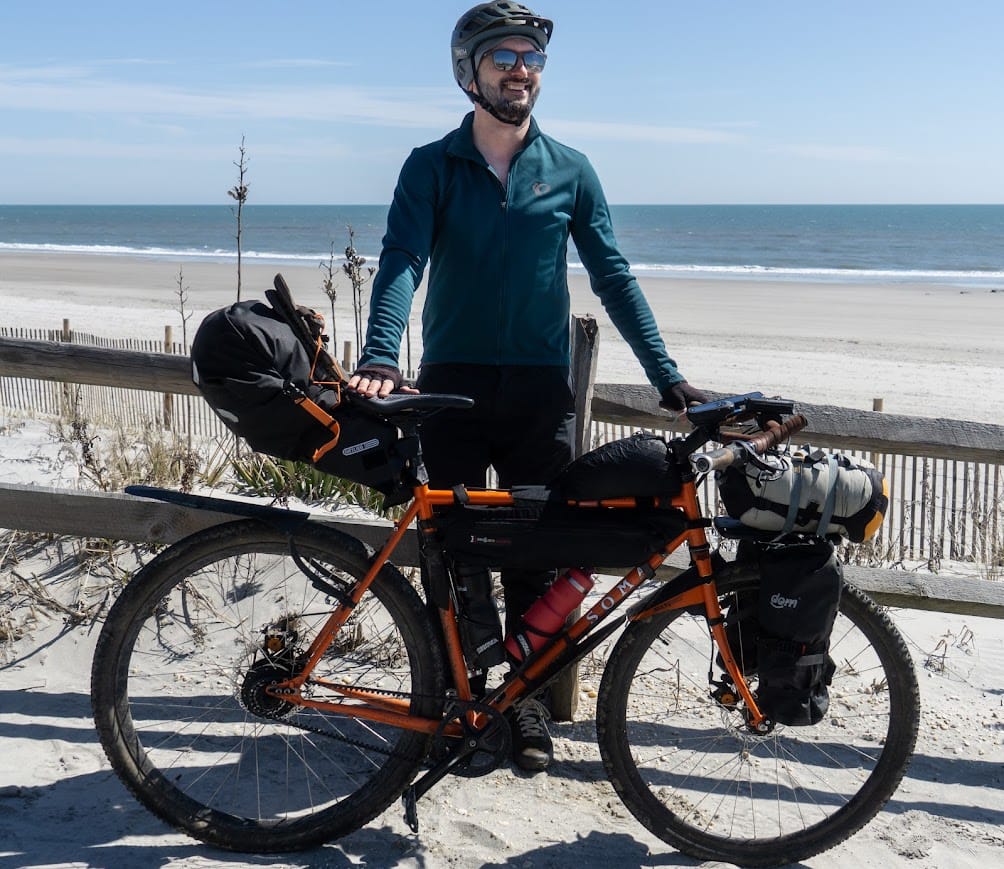
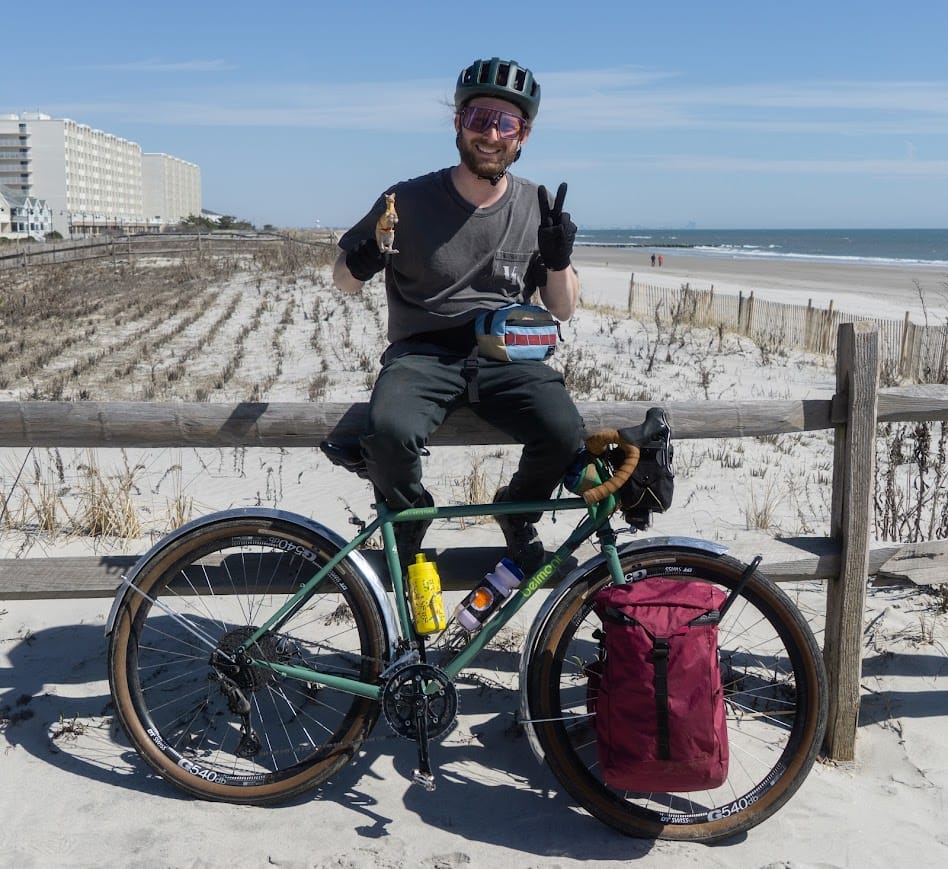
Tracey Sikora, Julian Bender, and me at land's end in Sea Isle City. Thanks for sharing an awesome weekend with me!